
Somalia presents one of the most underexplored yet high-potential agribusiness markets in Africa. With vast arable land, a strong agricultural tradition, strategic access to regional markets, and a growing focus on food security and economic diversification, Somalia offers compelling opportunities for investors, agribusinesses, development partners, and agricultural advisors.
As the country continues its recovery and institutional rebuilding, agriculture is re-emerging as a cornerstone for economic growth, employment, exports, and resilience. For international and regional agribusiness actors, Somalia represents both commercial opportunity and developmental impact.
1. Agriculture in Somalia
Agriculture remains the backbone of Somalia’s economy. The sector employs a large share of the population and contributes significantly to food supply, rural livelihoods, and exports https://agrosomalia.com/somalia-agricultural-sector-review-in-three-volumes-volume-1-main-report/
. Somalia’s agricultural system is broadly divided into:
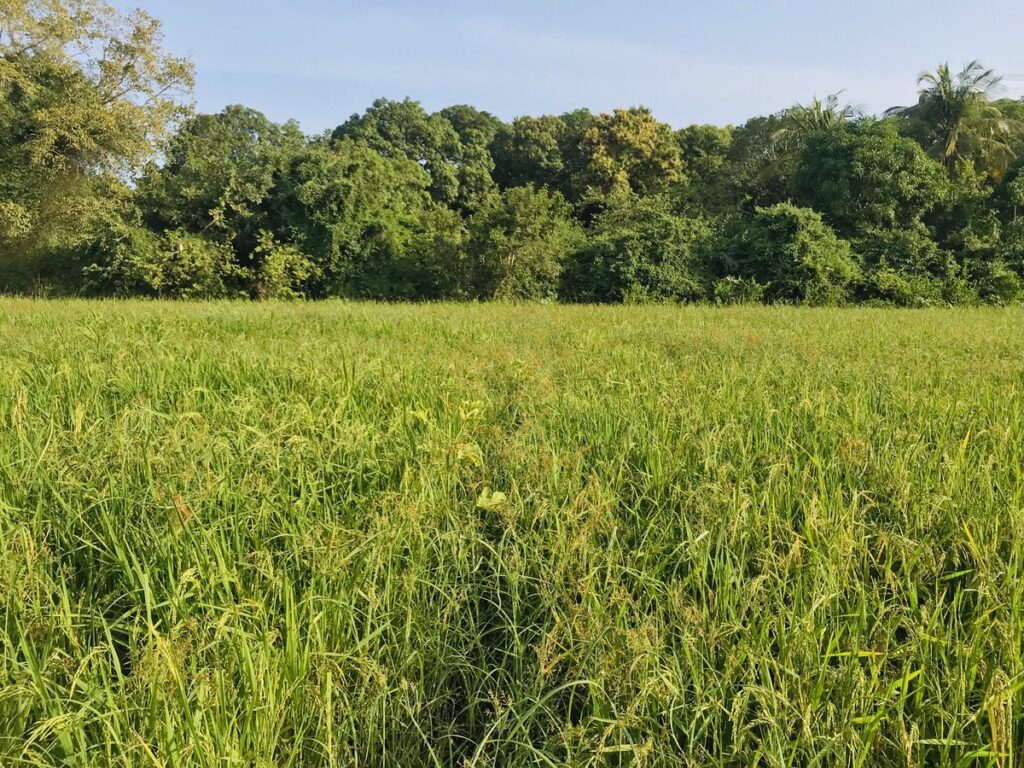
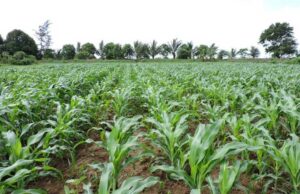
- Crop production – maize, sorghum, sesame, rice, bananas, citrus, and vegetables
- Livestock – camels, cattle, sheep, and goats (the country’s largest export sector)
- Fisheries – one of Africa’s longest coastlines with underutilized potential
2. Somalia is endowed with:
- Fertile riverine zones along the Shabelle and Juba rivers
- Diverse agro-ecological zones
- Strong farmer knowledge and experience
Despite these advantages, the agricultural value chain remains underdeveloped due to decades of conflict, weak infrastructure, limited access to finance, post-harvest losses, and insufficient mechanization.
In recent years, government institutions, development partners, and the private sector have increasingly prioritized agriculture as a pathway to food security, employment, and export growth. Programs focused on input support, irrigation rehabilitation, climate resilience, and market access are laying the groundwork for commercialization.
3. Why Agribusiness in Somalia?
For agribusinesses seeking expansion into frontier and emerging markets, Somalia offers several strategic advantages:
- Untapped market potential
A growing population and heavy reliance on food imports create strong demand for locally produced and processed agricultural products.
- Export-oriented production
Somalia has long exported livestock and has growing potential in sesame, maize, bananas, citrus, and fisheries, serving Middle Eastern and regional markets.
- Strategic location
Somalia’s proximity to the Gulf States, East Africa, and South Asia positions it as a natural trade gateway.
- Value chain gaps
Significant opportunities exist in:
- Input supply (seeds, fertilizers, mechanization)
- Agro processing
- Cold storage and logistics
- Quality control and certification
- Market aggregation and contract farming
- Technology transfer & skills development
Farmers and agribusinesses are eager to adopt improved technologies, irrigation systems, climate-smart practices, and post-harvest solutions.
- ESG and impact investment opportunities
Investments in Somali agriculture directly contribute to:
- Food security
- Job creation
- Rural development
- Women and youth inclusion
- Climate resilience
- Policy and institutional momentum
Federal and State-level institutions, with support from international partners, are increasingly focused on structured agricultural support systems and private-sector engagement.
4. Agribusiness Opportunities in Somalia
Key opportunity areas include:
- Commercial crop production (sesame, maize, rice, horticulture)
- Agro-processing and value addition
- Livestock feed and veterinary supply chains
- Irrigation, mechanization, and farm services
- Storage, transport, and export logistics
- Market intelligence, traceability, and certification systems
- Training, extension, and advisory services
Somalia’s agricultural transformation will depend on private-sector leadership, supported by sound policies, financing mechanisms, and technical expertise.
5. AgroSomalia’s Role
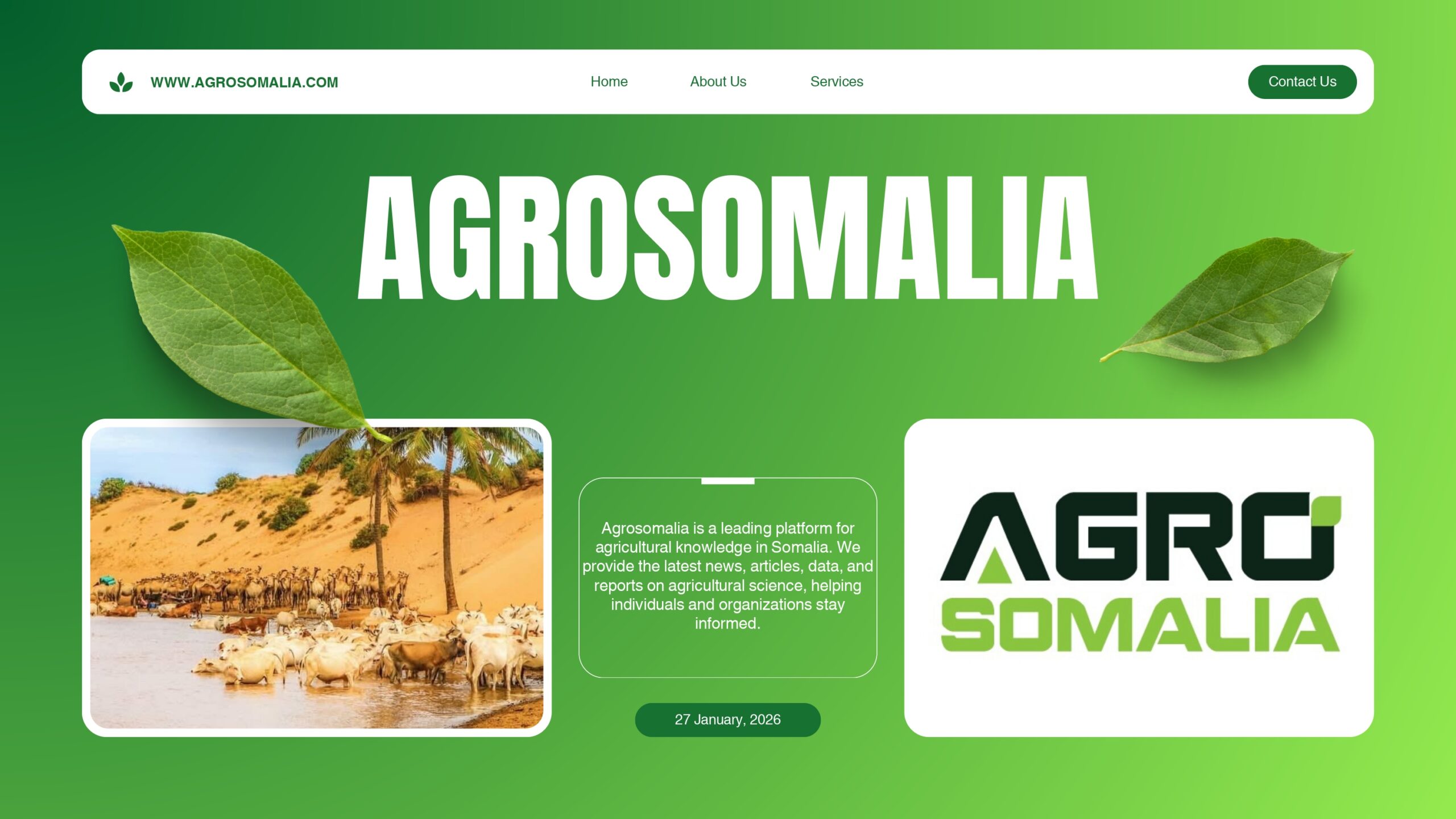
AgroSomalia is actively engaged in promoting evidence-based agribusiness development in Somalia. We work to bridge the gap between farmers, investors, policymakers, and markets by providing: https://agrosomalia.com/about-us/
- Agricultural market intelligence and analysis
- Policy and value-chain insights
- Capacity building and knowledge sharing
- Platforms for investment promotion and dialogue
- Research-driven content on Somalia’s agrifood sector
Our mission is to support the commercialization of Somali agriculture while ensuring inclusivity, sustainability, and long-term impact.
6. Conclusion
Somalia is no longer just a post-conflict recovery story; it is an emerging agribusiness frontier. For businesses and investors willing to engage early, understand the local context, and build strong partnerships, Somalia offers exceptional long-term potential.
Agribusiness in Somalia is not only about returns, but also about building resilient food systems, empowering farmers, and unlocking one of Africa’s most promising agricultural markets.