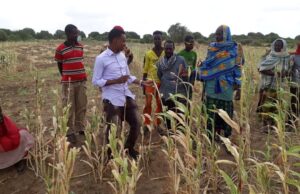

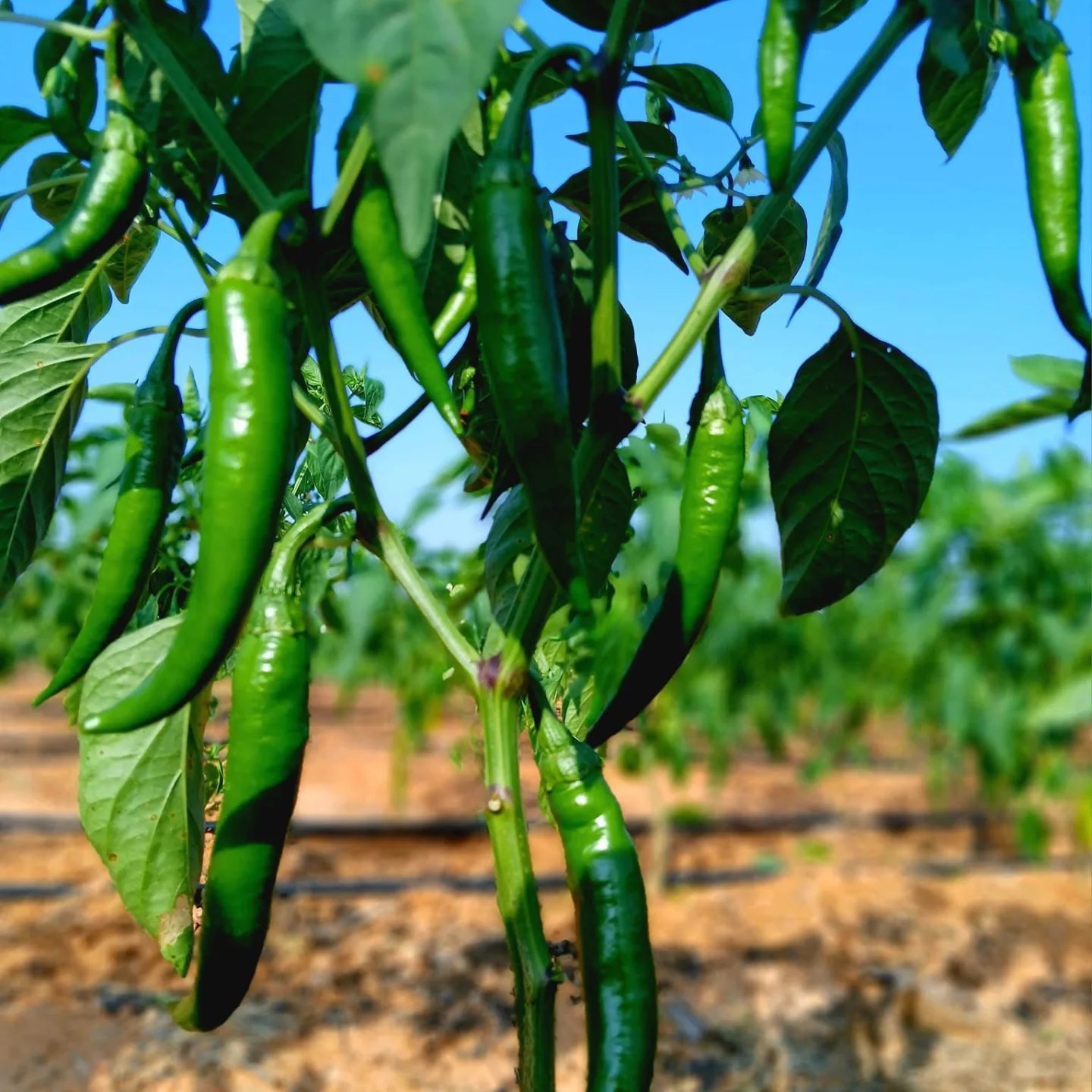
Galdogob is a district in Mudug region, Somalia. Mudug is one of the key regions in central-north Somalia, and it is known for dry conditions and strong seasonal changes. Mudug is also divided between Puntland (north) and Galmudug (south), and it includes districts such as Gaalkacyo, Hobyo, Xarardheere, Jariiban, and Galdogob. https://www.euaa.europa.eu/coi/somalia/2025/security-situation/25-galmudug/252-mudug
Geographically, Mudug stretches toward the Indian Ocean on the east side of Somalia, while also linking to inland areas toward the west and northwest. Because of this position, communities like Galdogob often face hot temperatures, limited rainfall, and frequent dry spells. In fact, Somalia is widely described as arid to semi-arid, with rainfall that varies a lot by season and region
Dryland farming can still succeed
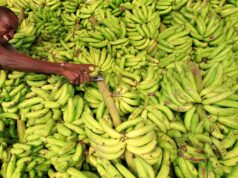
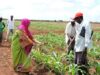
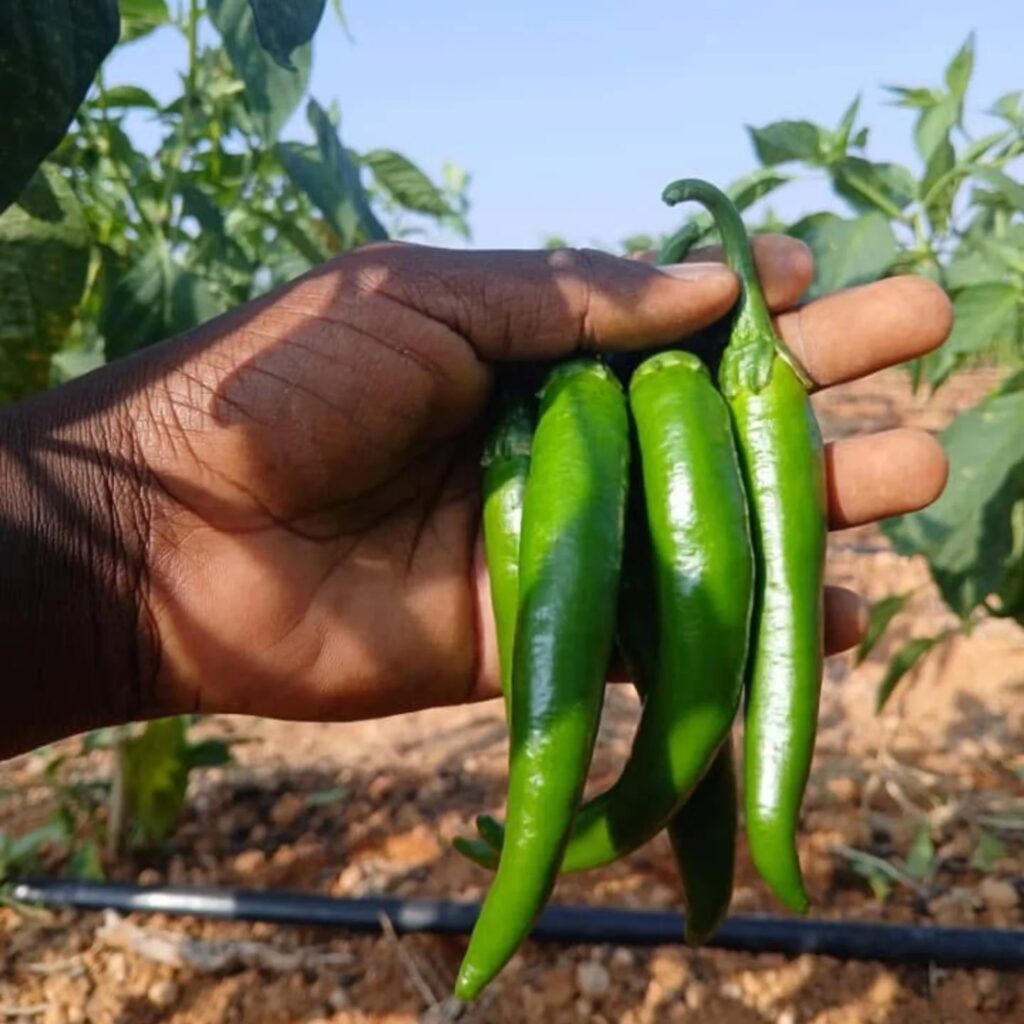
Even in drylands, agriculture can grow when farmers use smart methods. That is why Galdogob’s green chili story matters. It shows that farmers can reduce imports and build local supply. At the same time, it can create jobs and raise incomes. In recent seasons, farmers in Galdogob have expanded green chili (hot pepper) production. As a result, the region is becoming more self-sufficient.
According to local production reports shared by farmers, yields can reach about 26,000 kg per hectare, and the market price can be around $2 per kg when demand is strong. Therefore, chili is becoming a serious business, not just a small garden crop.
Why this success is possible (open field + greenhouse together)
This progress is not luck. Instead, it comes from a few practical improvements that work in both open fields and greenhouses.
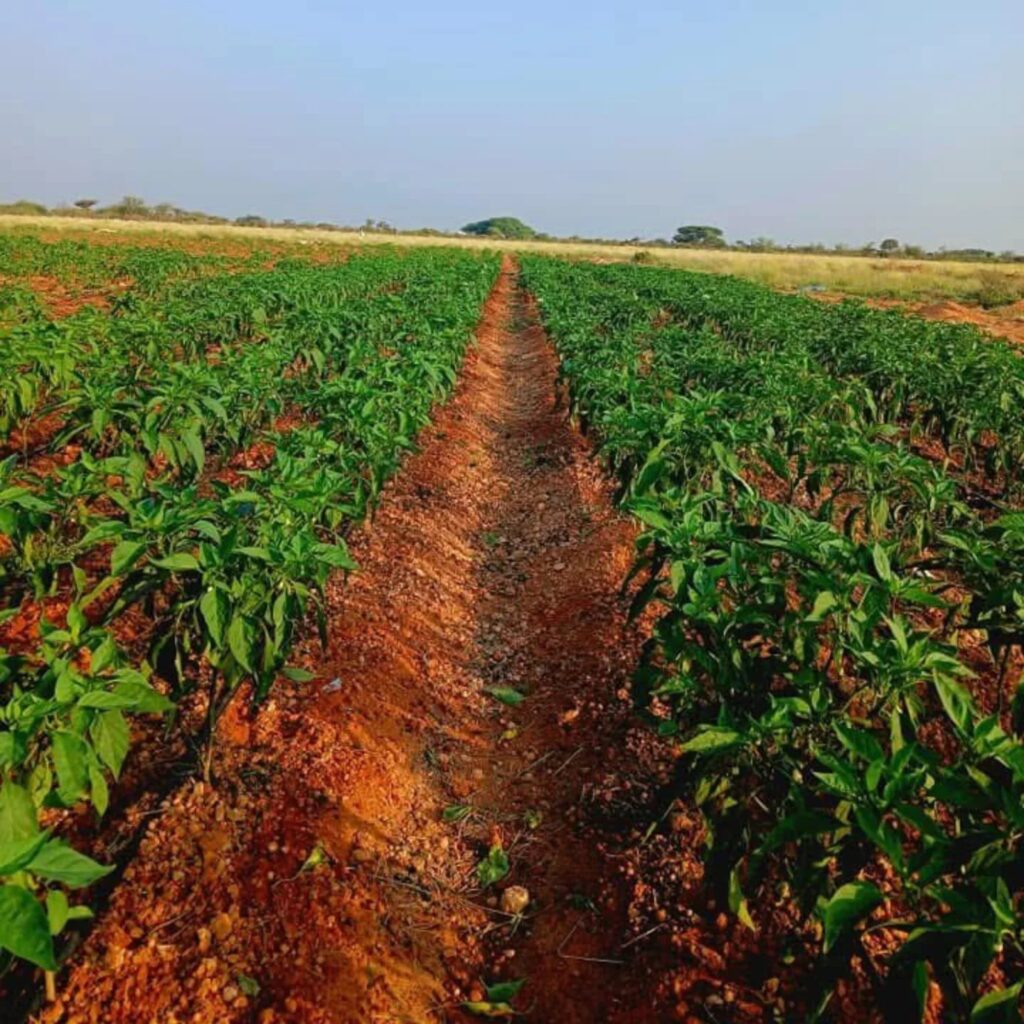
First, farmers are using better water management. For example, drip irrigation reduces water loss and delivers water directly to the root zone. In a dry area like Galdogob, this single change can protect the crop during hot periods and also reduce costs.
Second, farmers are applying strong field practices. They select healthier seedlings, use proper spacing, weed on time, and improve soil fertility with compost and balanced fertilization. Because of that, plants grow stronger and produce more uniform fruits.
Third, farmers are improving pest and disease control. They monitor pests early, then respond quickly with safe and recommended methods. As a result, crop losses decrease and the harvested chili quality increases, which helps farmers get better market prices.
Finally, farmers are choosing the right production system for their budget and goal. Open-field farming is cheaper and easier to expand, but it needs good timing and protection from heat and wind. On the other hand, greenhouse production costs more at the start, yet it gives stronger control of water, pests, and temperature. Therefore, greenhouse farming is ideal for cooperatives, farmer groups, and investors who want stable quality and consistent supply.
A message to Somali farmers and agribusiness leaders
Somalia’s drylands are challenging. However, they are not hopeless. Instead, Galdogob shows a clear message: If farmers improve water use, apply modern practices, and plan production, agriculture can grow even in dry regions. So, if you are a farmer: start small, learn fast, and improve each season. And if you are a Somali agribusiness company: support farmers with training, inputs, and market links. In return, you build a stronger supply chain and a stronger local economy.